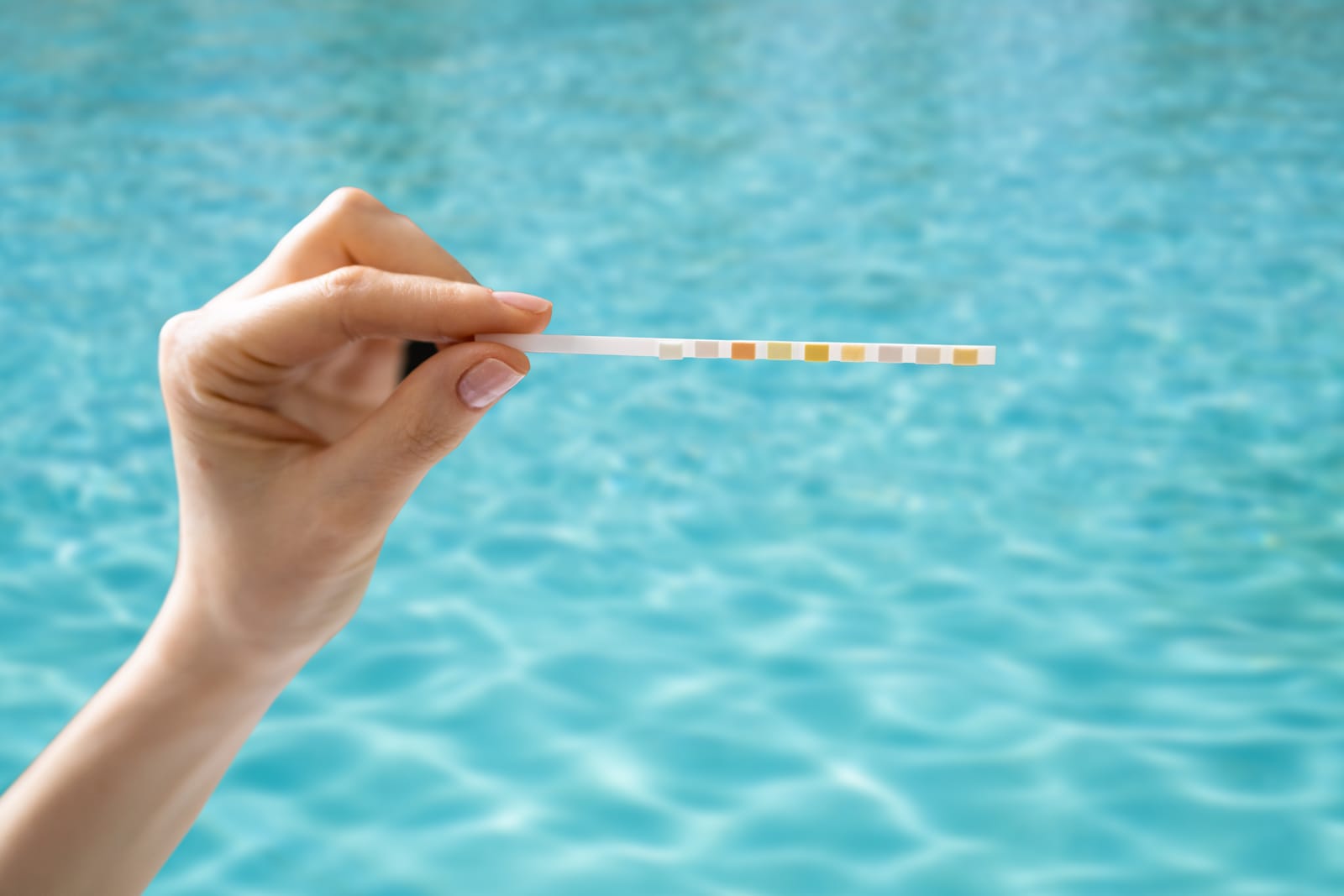
When most people think about pool maintenance, they imagine skimming leaves, adjusting chlorine levels, or brushing the tile line. While those tasks are important, there’s a far more critical issue that often goes unnoticed: the actual quality and cleanliness of the water itself. Clean pool water isn’t just about looking good—it plays a key role in your health, your pool’s longevity, and even your property value.
In this blog, we’ll dive into why clean water matters more than most pool owners realize, what can go wrong when water isn’t properly maintained, and how the right service partner can help protect your pool—and your peace of mind.
1. It’s About More Than Chlorine
Many pool owners believe that if the chlorine is balanced, the water is clean. But chlorine is only one piece of the puzzle. Over time, water can accumulate dissolved solids, stabilizers like cyanuric acid (CYA), calcium hardness, metals, and other contaminants that traditional testing methods don’t always detect.
Even when your water looks clear and tests “normal,” it might still be overloaded with Total Dissolved Solids (TDS) or chemically imbalanced in ways that can slowly damage your pool and equipment—or irritate your skin and eyes.
2. Health Risks Lurking Below the Surface
If you’re swimming in water that isn’t truly clean, you could be exposing yourself and your family to more than just irritation. Some of the potential health risks include:
- Skin and eye irritation: Caused by high levels of chloramines, not chlorine itself.
- Respiratory issues: Poor water chemistry can result in gas off of irritating fumes, especially in indoor or covered pools.
- Bacterial contamination: Pools with improper filtration or overloaded chemistry can harbor bacteria like E. coli or Giardia—even if the water looks fine.
These issues can especially impact children, seniors, and anyone with sensitive skin or immune concerns. Keeping water clean goes far beyond aesthetics—it’s about safety.
3. Long-Term Damage to Your Pool System
Dirty or chemically saturated water doesn’t just affect swimmers—it can silently attack your pool’s infrastructure:
- Scaling: High calcium or CYA levels can lead to scaling on tile, plaster, and inside pool plumbing, shortening equipment lifespan.
- Corrosion: Water that’s too aggressive (low pH or alkalinity) can corrode metal components like ladders, heaters, and filters.
- Filter overload: As water quality degrades, your filter has to work harder to maintain circulation, reducing efficiency and increasing maintenance costs.
Over time, poor water conditions can lead to costly repairs or even require premature resurfacing or equipment replacement. That’s why regular water testing, beyond basic dip strips, is essential.
4. Aesthetic Impact: Crystal Clear vs. Just “Okay”
Let’s be honest—there’s nothing like walking outside and seeing a shimmering, crystal-clear pool. Clean water reflects sunlight better, feels smoother on your skin, and gives the whole yard a more luxurious and welcoming feel.
Cloudy or slightly off-colored water can signal buildup, ineffective filtration, or overloaded chemistry. Even when it’s technically “safe” to swim, water that’s just barely balanced often feels harsh and lacks that sparkle most homeowners want.
5. The Environmental Factor: Why Recycling Water Matters
Many pool owners avoid draining and refilling their pools due to the cost and waste of water—especially in desert climates like Arizona. However, advanced mobile water purification systems (like ours) now make it possible to clean and reuse the same water by removing:
- Calcium and scale
- Cyanuric acid
- Total dissolved solids (TDS)
- Phosphates, metals, and nitrates
This process saves thousands of gallons of water while restoring your pool’s chemistry to ideal levels—without the risks of starting from scratch with a full refill. It’s a win-win for your pool and the planet.
6. Don’t Trust Only Your Eyes (Or Strips)
We’ve all seen it: water that looks good enough to swim in, only to discover later that CYA is off the charts or that calcium hardness is damaging tile. The truth is, dip strips and visual inspections only tell part of the story.
Professional water testing uses more accurate tools to measure the things you can’t see, like:
- CYA saturation
- Total dissolved solids
- Water hardness
- Metals and phosphates
This kind of insight allows a trained technician to recommend the right solution at the right time—instead of simply reacting to visible problems after damage is done.
7. Why Having a Trusted Pool Partner Matters
Clean water doesn’t happen by accident. It requires consistency, expertise, and a proactive approach to pool care. At Monarch Purification, we treat every pool like it’s our own. That means:
- Testing for more than just chlorine and pH
- Watching for long-term chemistry trends
- Using specialized equipment to purify water without draining
- Communicating clearly about what’s needed—and what isn’t
We understand the difference between “maintenance” and real water health, and we never push services that aren’t truly necessary. Our goal is to help you protect your investment, enjoy your pool more often, and avoid expensive surprises down the road.
Final Thoughts
The quality of your pool water is the hidden foundation of your entire pool experience. When it’s clean, balanced, and properly maintained, everything else just works better—your swimmers are safer, your surfaces stay beautiful, and your equipment lasts longe
So the next time you glance at your pool and think, “It looks fine,” remember: clean water is about more than just appearances. It’s about chemistry, protection, and long-term value.
And when you’re ready to take your pool care to the next level, we’re just a call (or a text) away.
—
Written by: Ryan Kooistra
Owner, Monarch Purification
Visit us at: www.monarchpurification.com